I'm learning more and more just how often I am searching, yearning, craving, obsessed, tortured by the idea that I am somehow missing out on life. I lead a full and rich life that is, by all standards, pretty fantastic. It's true! But, I don't always feel fantastic. In fact I often feel far less than fantastic. And, there are times, when I feel down right crummy. For no good reason. I even fantasize that it would be easier if I could just have a massive problem in my life to justify my malaise and rev up my engines for action. But, that is a terrible idea because my life is already incredibly full and certainly I don't want life to get crummier. It is already in a state of disharmony that is worth writing a blog about.
So, what is the issue?
The issue is that I have the luxury of comfort which leads me to the unanswerable existential questions. Why am I here? Who am I? What does it all mean? Every Ted talk I have listened to in the past couple months (in my search for relief of my discontent) talk about purpose. But, when we get really existential about it. Purpose is dependent on our having an established perspective on the value of our existence. Existential questions have lurked in the back of my brain/body my whole life. I have routinely found myself frustrated with not getting "it." What "it" is exactly is unclear, but certainly, there should be something to "it." Right? Maybe?
Or, maybe not. My world is brilliant and mundane. It stable and imbalanced. It is hard but rather easy (in that suburban way). It is a mixed bag to say the least. What drags me down the most is the sense that there is something more out there. I have serious FOMO. Not that i fear missing out on what exactly other people are doing, but I fear I am missing out on living life fully. Shouldn't I be more excited about life? It seems everyone else is (ok fine, at least some other people are) jumping out of their beds in the morning celebrating the "good vibes" and "simple pleasures" in a blissed out state of feel good. There is a line in a Buddhist chant called the Loving Kindness Sutta.
"This is what should be accomplished by the one who is wise, who seeks the good and has obtained peace. Let one be strenuous upright and sincere, Without pride, easily contented and joyous. . ."
Easily contented and joyous? My goodness! Such a tall order for this life! I have been feeling anything but content these past few months. And, the worst part about it is that nothing is wrong! Except, life. This is what we are here to do. This experience of discontent is "it" as much as anything else. This is the richness of life. But, not in a special "blissed out" way; rather in the way life as a human is messy. Life is morning that turns into afternoon that turns into evening that turns into night. It is both remarkable and entirely unremarkable.
My current lesson is that this can't be fixed. There is no "it" to fix. No fixing will change things because, this is as life is. This is what we are here to do. I can choose to surrender to the need to fix and find solutions. What would I do with my time if I weren't constantly trying to feel better all the time!? I can allow things to be what they are (which again is pretty darn good in my case). Will I ever have a sense of great optimism again? Maybe. I don't know, but, chasing after it is not going to bring me any closer to it. I will just be running away from myself again and again.
So, I'll just be over here. Allowing "it" to be what "it" is. Letting go of the hope of something more special and embracing the mishmash that is life right now. It's ok. "It" is just fine as it is.
Showing posts with label Buddhism. Show all posts
Showing posts with label Buddhism. Show all posts
Monday, March 18, 2019


Tuesday, February 12, 2019
But, I don't GET angry!
At least, I don't get angry very often. . . I much prefer the joy of agreeability and harmony. In general I am pretty laid back. Generally. Which is why it is always a surprise when I find myself in a state of fury! How did this happen? It is like a little monster that sneaks up behind me and then pounces unexpectedly. It bites its razor sharp teeth into the neck of my joy and sucks out every last drop of my remaining life force.
Well, that is an approximation. But, you get the idea. For those of us who don't like to get mad. Anger is a scary and dangerous beast!
The truth is I get angry. Things make me mad. But, I learned that you don't act it out. Quite rightly! But, just because we don't act on it doesn't mean it is not there. An interesting book called the Language of Feelings by Cal Banyan notes that there is always a message inside anger. Anger is like a little voice inside declaring there has been an injustice of some kind, real or perceived. And, here is the thing, we must be able to recognize injustices in order to best rectify them or make reparations. What we don't need is to then turn into a victim of the moment and lash out like a cornered animal. Feeling angry is part of being a healthy and discerning human being.
But, the second point of interest is the notion of anger signaling an injustice whether real or perceived. Our nervous system sadly doesn't know the difference (hence waking from a nightmare in a sweat--It was so real!). Our bodies respond to negative emotions the way they are designed to respond when we feel threatened: fight, flight or freeze. It's not an ideal situation, but it is the nature of our human biology.
The challenge of being angry at a perceived rather than real injustice is that we can't always address and resolve it like we might an external issue that is fixable. The perception is by nature internal. So, we are challenged to face the reality of ourselves and the often completely "unfair" nature of human existence. "Unfair" because we all suffer from something as humans which thus makes the universal nature of problems more or less "fair." But, of course, the severity and nature of our affliction or situation inevitably feels "unfair" because of its unique manifestation. Our ego shouts out "I shouldn't have to deal with this!"
The question is, what are we to do when we feel life isn't fair, but in fact, it is just part of the reality that "Shit (sometimes) Happens?" In order to walk a middle path between lashing out and stuffing our anger response in a closet-- I think we have to start with an honest account of what makes us angry -- even when we "know" it isn't personal, or unique to us, or even alterable for that matter. Detailing the issue(s) at hand can be extraordinarily helpful.
Here is my current list of things that make me mad (but which are not necessarily real injustices):
I am angry that I am tired.
I am angry that students don't know how to take notes or study or practice effectively.
I am angry that my two year old is quitting his afternoon nap.
I am angry that I suffer from unpredictable and sometimes uncontrollable depression.
I am angry that there will be dirty dishes everyday.
I am angry that the value of the arts and humanities in education is downplayed because their study doesn't make money.
I am angry that my computer runs slow.
I am angry that I can't do everything I want to do because there simply isn't enough time.
I am angry that my jaw and eyes are tired and painful because I hold my unspoken stress there.
I am angry because life doesn't always provide clear answers to my questions.
Now, some of these things are more ridiculous than others. On the other hand, some might actually have validity and could be at least indirectly addressed. But, the point is, that for someone who doesn't like to feel angry, I still suffer occasional and situational anger. This is ok. This has to be ok. Otherwise, I would sink into nihilism and be a potential hazard to myself and everyone around me.
This is where grace enters. In the form of hope, and faith, and love. We will experience rage, anger, and frustration at ourselves and the world. This anger can be so embarrassing for some of us that we would rather stifle it than risk revealing it. We fear we might lose hold of the tether and lose it all together. We stifle it and it shows up in other ways, in our bodies mostly, chronic hip pain, chronic headaches, addictions, depression and more. This is the work of David Schechter and his predecessor John Sarno who identify that roughly 90% of all chronic pain is psycho-somatic. Now, psycho-somatic does not mean that the pain is not real. Psycho-somatic pain is real pain, but it is triggered through our nervous system feedback rather than a physical injury.
Anger processing is one of the best inroads for "curing" chronic pain according to their work. And, I am apt to agree with them. Seeing our anger for what it is a much needed first step in healing ourselves and making ourselves whole.
What then is the antidote to our anger? For many of us it has to start with self-love and self-acceptance. We have to trust that we are not our anger and that we have worth even when we feel rage. When you are down in the dumps, it is hard to have faith in the tenant of inner goodness. Our Buddha nature seems far away in these dark times. But we can commune with others we can trust when we can't trust ourselves. We go to them for a meaningful reminder of hope and love. And when we can't find any person, we go to our animal friends or the tree in your garden or the fountain at the park. We commune with a life energy, until we can remember for ourselves that we have inherent worth and dignity. That we are worth a little forgiveness and a lot of love. That we can play a meaningful role in the world for ourselves and for others.
Hope is a precious thing. It is the pilot light that keeps us going in our darkest hour.
May you find peace today.
May you feel loved and valued.
May you have hope and may you shine your light for the world.
__/\__
Well, that is an approximation. But, you get the idea. For those of us who don't like to get mad. Anger is a scary and dangerous beast!
The truth is I get angry. Things make me mad. But, I learned that you don't act it out. Quite rightly! But, just because we don't act on it doesn't mean it is not there. An interesting book called the Language of Feelings by Cal Banyan notes that there is always a message inside anger. Anger is like a little voice inside declaring there has been an injustice of some kind, real or perceived. And, here is the thing, we must be able to recognize injustices in order to best rectify them or make reparations. What we don't need is to then turn into a victim of the moment and lash out like a cornered animal. Feeling angry is part of being a healthy and discerning human being.
But, the second point of interest is the notion of anger signaling an injustice whether real or perceived. Our nervous system sadly doesn't know the difference (hence waking from a nightmare in a sweat--It was so real!). Our bodies respond to negative emotions the way they are designed to respond when we feel threatened: fight, flight or freeze. It's not an ideal situation, but it is the nature of our human biology.
The challenge of being angry at a perceived rather than real injustice is that we can't always address and resolve it like we might an external issue that is fixable. The perception is by nature internal. So, we are challenged to face the reality of ourselves and the often completely "unfair" nature of human existence. "Unfair" because we all suffer from something as humans which thus makes the universal nature of problems more or less "fair." But, of course, the severity and nature of our affliction or situation inevitably feels "unfair" because of its unique manifestation. Our ego shouts out "I shouldn't have to deal with this!"
The question is, what are we to do when we feel life isn't fair, but in fact, it is just part of the reality that "Shit (sometimes) Happens?" In order to walk a middle path between lashing out and stuffing our anger response in a closet-- I think we have to start with an honest account of what makes us angry -- even when we "know" it isn't personal, or unique to us, or even alterable for that matter. Detailing the issue(s) at hand can be extraordinarily helpful.
Here is my current list of things that make me mad (but which are not necessarily real injustices):
I am angry that I am tired.
I am angry that students don't know how to take notes or study or practice effectively.
I am angry that my two year old is quitting his afternoon nap.
I am angry that I suffer from unpredictable and sometimes uncontrollable depression.
I am angry that there will be dirty dishes everyday.
I am angry that the value of the arts and humanities in education is downplayed because their study doesn't make money.
I am angry that my computer runs slow.
I am angry that I can't do everything I want to do because there simply isn't enough time.
I am angry that my jaw and eyes are tired and painful because I hold my unspoken stress there.
I am angry because life doesn't always provide clear answers to my questions.
Now, some of these things are more ridiculous than others. On the other hand, some might actually have validity and could be at least indirectly addressed. But, the point is, that for someone who doesn't like to feel angry, I still suffer occasional and situational anger. This is ok. This has to be ok. Otherwise, I would sink into nihilism and be a potential hazard to myself and everyone around me.
This is where grace enters. In the form of hope, and faith, and love. We will experience rage, anger, and frustration at ourselves and the world. This anger can be so embarrassing for some of us that we would rather stifle it than risk revealing it. We fear we might lose hold of the tether and lose it all together. We stifle it and it shows up in other ways, in our bodies mostly, chronic hip pain, chronic headaches, addictions, depression and more. This is the work of David Schechter and his predecessor John Sarno who identify that roughly 90% of all chronic pain is psycho-somatic. Now, psycho-somatic does not mean that the pain is not real. Psycho-somatic pain is real pain, but it is triggered through our nervous system feedback rather than a physical injury.
Anger processing is one of the best inroads for "curing" chronic pain according to their work. And, I am apt to agree with them. Seeing our anger for what it is a much needed first step in healing ourselves and making ourselves whole.
What then is the antidote to our anger? For many of us it has to start with self-love and self-acceptance. We have to trust that we are not our anger and that we have worth even when we feel rage. When you are down in the dumps, it is hard to have faith in the tenant of inner goodness. Our Buddha nature seems far away in these dark times. But we can commune with others we can trust when we can't trust ourselves. We go to them for a meaningful reminder of hope and love. And when we can't find any person, we go to our animal friends or the tree in your garden or the fountain at the park. We commune with a life energy, until we can remember for ourselves that we have inherent worth and dignity. That we are worth a little forgiveness and a lot of love. That we can play a meaningful role in the world for ourselves and for others.
Hope is a precious thing. It is the pilot light that keeps us going in our darkest hour.
May you find peace today.
May you feel loved and valued.
May you have hope and may you shine your light for the world.
__/\__
Friday, November 30, 2018
Prioritizing Life
If you are like me, you find yourself saying that there is too much to do in too little time. You get caught feeling overwhelmed and at times defeated by the amount of tasks on your to do list and scheduled appointments on your calendar.
It's a problem.
I certainly have been struggling recently. And, it is nothing new; it is the same old refrain. The same old trap of. . . but then I got to thinking. . . trap of what? What is the problem?
I'm still thinking through this, but so far I have come up with a few ideas on what the real problem is. Because there will always be things to do. There will always be 24 hours in the day. There will always be urgent tasks and tight timelines, surprises that derail you and moments of accomplishment that make you think such a busy life is a good idea. . . or, at the very least, manageable. And, BOOM I find myself getting caught in the same cycle.
So, what is the real problem?
I have come to understand that prioritizing is key. All you have to do is figure out what is most important and do that! Haha! Easier said than done. There is no single recipe for a great life. Each individual must decide what is the most important. And, not just once, but repeatedly. Year after year, day after day, moment to moment.
My trap is the trap of mistaken thinking that I can sort it all out once and then be done. But, life isn't about figuring out one answer. It is the process of negotiating all of life's challenges, embracing the challenge (and even the suffering) as it arises. It is a constant exploration of valuing and re-valuing our ideas, our beliefs, our commitments, our habits, our everything!
So, rather than prioritizing something in your life. Perhaps the freedom is found in prioritizing the process of re-prioritizing. Perhaps the most noble thing we can do is to take time to "figure things out." Prayer, meditation, long walks, a movement class, they are all examples of opportunities to step out of the stream and listen deeply into our experience. Prioritizing life is prioritizing the experience of sorting through things intellectually, emotionally, physically, spiritually. This takes time.
The most important thing we can do, and the thing we must put before all else is the time and space to reassess, reflect, ruminate, seek guidance, listen for clarity.
Prioritizing this process however can be difficult. The best long term is to routinize this process with regular, weekly experiences, practices or rituals. This allows space for us to continually and consistently revisit our priorities and values. But, in times of crisis, we give up our recuperative practices as luxuries. How do we communicate to ourselves (and to others) that we are prioritizing life by selecting recuperative activities?
Well. . . I am still working through that one. . . but for now I will say:
"I am prioritizing life."
It's a problem.
I certainly have been struggling recently. And, it is nothing new; it is the same old refrain. The same old trap of. . . but then I got to thinking. . . trap of what? What is the problem?
I'm still thinking through this, but so far I have come up with a few ideas on what the real problem is. Because there will always be things to do. There will always be 24 hours in the day. There will always be urgent tasks and tight timelines, surprises that derail you and moments of accomplishment that make you think such a busy life is a good idea. . . or, at the very least, manageable. And, BOOM I find myself getting caught in the same cycle.
So, what is the real problem?
I have come to understand that prioritizing is key. All you have to do is figure out what is most important and do that! Haha! Easier said than done. There is no single recipe for a great life. Each individual must decide what is the most important. And, not just once, but repeatedly. Year after year, day after day, moment to moment.
My trap is the trap of mistaken thinking that I can sort it all out once and then be done. But, life isn't about figuring out one answer. It is the process of negotiating all of life's challenges, embracing the challenge (and even the suffering) as it arises. It is a constant exploration of valuing and re-valuing our ideas, our beliefs, our commitments, our habits, our everything!
So, rather than prioritizing something in your life. Perhaps the freedom is found in prioritizing the process of re-prioritizing. Perhaps the most noble thing we can do is to take time to "figure things out." Prayer, meditation, long walks, a movement class, they are all examples of opportunities to step out of the stream and listen deeply into our experience. Prioritizing life is prioritizing the experience of sorting through things intellectually, emotionally, physically, spiritually. This takes time.
The most important thing we can do, and the thing we must put before all else is the time and space to reassess, reflect, ruminate, seek guidance, listen for clarity.
Prioritizing this process however can be difficult. The best long term is to routinize this process with regular, weekly experiences, practices or rituals. This allows space for us to continually and consistently revisit our priorities and values. But, in times of crisis, we give up our recuperative practices as luxuries. How do we communicate to ourselves (and to others) that we are prioritizing life by selecting recuperative activities?
Well. . . I am still working through that one. . . but for now I will say:
"I am prioritizing life."
Monday, August 7, 2017
Spirit of Learning (Recent thoughts on Education)
(I wrote this for my students but it certainly applies to all of life.)
Go! Do! Be More! Faster! Harder! Aaaaaaah!
It seems the world is pushing us to hurry up and . . . what? . . . be successful?
What does that even mean?
I have been reading a very interesting book called The Subtle Art of Not Giving a F---K, by Mark Manson. Despite its punchy title, it is a powerful little book that puts into perspective what it is we are here to do in this lifetime and what really matters. I highly recommend it.
The reason I bring it up is that I have found recently that many students have forgotten what it really means to get an education. News Flash: Education is not merely preparing to have a job. If you are well educated it is more likely you will get a job, but education does not have the explicit goal of getting you a job. Training will get you a job. Education will give you quality of life.
The Spirit of Learning is the spirit of real education. And, that is what I am most interested in as a teacher, as a human!. What is the bigger picture here? So, when you submit an assignment (as crazy making as it can seem) it is not about the length, it is not about the number of sentences, words, characters. Everything you turn in for credit is an opportunity to show me that you are putting in the time to investigate the content of the course and most importantly how it changes you, your views, your appreciation. your world! This is the stuff that will enrich your life and make it meaningful.
Counting points to get that A (or B or C) will only torment you. That is not the spirit of learning.
I promise that if you do your best to communicate the spirit of your learning in each and every assignment the grade will follow. Because you will actually be learning.
Things that require you to work hard are thing worth having. Freebies are transient and disposable. They may make you happy in the short term, but they will not make you happy in the long term.
Give yourself a chance to enjoy your education.
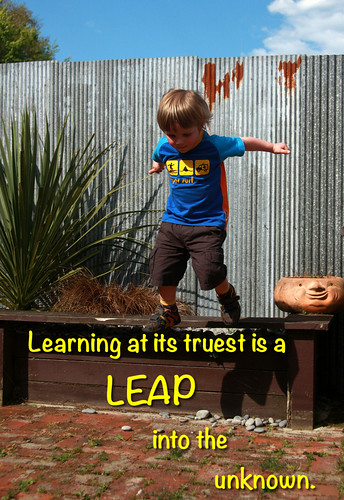
1. "What is the goal of this assignment?" "Why would my teacher assign it to me?" Answer those question within your submission.
2. "How am I representing myself in my work?" "Do I express that I learned something from the assigned reading?" "Do I honor the process with full sentences and grammar?" Ensure your submission reflects your mature thinking and values.
3. "Is there a way I could actually make this FUN?" That doesn't mean you have to spend MORE time on the assignment, it is about your ability to enjoy the challenge and/or process while you are working. (In fact it might actually take you less time working this way. . . just sayin')
Go! Do! Be More! Faster! Harder! Aaaaaaah!
It seems the world is pushing us to hurry up and . . . what? . . . be successful?
What does that even mean?
I have been reading a very interesting book called The Subtle Art of Not Giving a F---K, by Mark Manson. Despite its punchy title, it is a powerful little book that puts into perspective what it is we are here to do in this lifetime and what really matters. I highly recommend it.
The reason I bring it up is that I have found recently that many students have forgotten what it really means to get an education. News Flash: Education is not merely preparing to have a job. If you are well educated it is more likely you will get a job, but education does not have the explicit goal of getting you a job. Training will get you a job. Education will give you quality of life.
The Spirit of Learning is the spirit of real education. And, that is what I am most interested in as a teacher, as a human!. What is the bigger picture here? So, when you submit an assignment (as crazy making as it can seem) it is not about the length, it is not about the number of sentences, words, characters. Everything you turn in for credit is an opportunity to show me that you are putting in the time to investigate the content of the course and most importantly how it changes you, your views, your appreciation. your world! This is the stuff that will enrich your life and make it meaningful.
Counting points to get that A (or B or C) will only torment you. That is not the spirit of learning.
I promise that if you do your best to communicate the spirit of your learning in each and every assignment the grade will follow. Because you will actually be learning.
Things that require you to work hard are thing worth having. Freebies are transient and disposable. They may make you happy in the short term, but they will not make you happy in the long term.
Give yourself a chance to enjoy your education.
3 Tips for the Spirit of Learning
Ask yourself:1. "What is the goal of this assignment?" "Why would my teacher assign it to me?" Answer those question within your submission.
2. "How am I representing myself in my work?" "Do I express that I learned something from the assigned reading?" "Do I honor the process with full sentences and grammar?" Ensure your submission reflects your mature thinking and values.
3. "Is there a way I could actually make this FUN?" That doesn't mean you have to spend MORE time on the assignment, it is about your ability to enjoy the challenge and/or process while you are working. (In fact it might actually take you less time working this way. . . just sayin')
Friday, April 3, 2015
Watching, Waiting, Learning: Reflections on end of life.
A new time in my life has arrived. My father in law is ill,
at home with hospice. He is the first of the four parents (my two and my
husband’s two) to become ill. Pancreatic cancer.
Our humanity is rooted in our ability to die. We are
manifestations that have arisen and that will pass away. Being human we know
this deep down inside, which is why we have so many skills, preferences, and
biological systems to support our staying alive. One of my meditation groups is
studying the chakras right now and the first chakra (at the root of the spine)
deals specifically with our basic needs to stay alive: food, water, safety etc. I also learned recently that we remember the
“bad things” much more easily than the good because the memories of bad things
or situations (poisonous food, unsafe areas etc.) help keep us alive. For
example, if we forgot that a big hungry bear lived in a particular cave, we
would be putting ourselves in danger each time we walked past or looked inside.
Our memories of the negative are strong and emotionally powerful because they
help keep us alive. All of this is to say that we, by our own human nature,
know our vulnerability. We know what
will threaten our lives, and we do whatever we can to avoid it.
So, when the time comes for us to pass, all of our life
experience and biological hard wiring is put into action and into question. Of course this is
essential for the person who is passing, but it is also something we experience
as by-standers. As we watch someone
become weak, become confused, or debilitated by pain, we are confronted with
our own fragility and our desire to keep those we love safe and with us.
My father in law’s confusion is one of the hardest aspects
we are experiencing. The spreading
cancer (to the brain) in combination with the strong pain medication is a
recipe for disorientation. But, why is disorientation scary, to experience and
to watch? Perhaps because our survival depends on our ability to orient
ourselves in time and space. As a
healthy independent person, being lost threatens our survival. Being lost or
the feeling of being lost triggers all of our fight or flight systems as we try
to orient ourselves and find our way back home to safety. In this way, the sensation of being lost or
confused is as scary as actually being lost. And, seeing someone lose this
skill is hard to process. Of course, when
we see a baby experience confusion, we have compassion, because we understand
that it is our role to take care of the infant or child until they are capable
of doing it themselves. But, to see an
adult we love and admire lose this ability after decades of being capable
somehow seems a tragedy.
But, this is the tragedy of life. This is why the Buddhists say life is suffering. Our being human is the condition on which
suffering rests. And, that is also beautiful.
That is the Buddha nature.
Some people are torn from this life before we can see what
is happening. Accidents, sudden heart failure or stroke do not give us the
chance to witness and learn from the process of illness. Such a situation has
other lessons to be learned. But, we cannot choose our fate nor the fate of
those around us. So, we respond with
compassion. Compassion as we would for a baby. Compassion toward our loved
ones, and toward ourselves. Our systems
for survival will kick in at every turn. That is their job and they will do
what they do. We get to watch, wait, learn. This is our chance to notice our
deep desire to survive and then to release that hold so we can be free of the
chains of fear and accept what comes, as it comes.
Wednesday, February 4, 2015
Each Moment is a Choice
We when engage with life, we usually have a strong reason why we choose what we choose. I'm not saying that the strong reason is always a good reason nor is it always a healthy reason, but we are propelled to do things all day long by strong reasons. Why did you get out of bed today? Was it out of a love of the quiet morning hours? or perhaps it was the fear of being late to work and losing your job? Was it to care for your children whom you love so much?
Each moment is a choice.
That is the reality. For most of us the choices are small-- or rather seem small. Do I agree to this project? Should I do my laundry today or tomorrow? We are fortunate that we have this much freedom of choice. Some people in the world face the choice to continue with the status quo or die as a consequence? THAT is a strong reason behind one's choices.
For those of us with depressive tendencies reasons can feel a little murky. Sometimes I feel I don't know what I want at all. I can't tell what would bring me joy or what would perpetuate my state of discomfort and fogginess. This is one of the ways I experience the apathy of depression. It is not that I don't care, but I can't tell what I care about.
We are emotionally fragile beings. I think that we are all thin skinned when it boils down to it. We are sensitive to our situation, and we can choose to notice that or to shut it down, stifle it, move on. When we feel what we feel more fully, we can learn that is truly motivating us. Joy or Fear, Love or Hate, Generosity or Greed.
Engaging with life means more than going through the motions. Each day, each moment, we have a choice to drop into the full experience of the present. The more frequently we drop in, the more honest we can be with ourselves about our motives. And, if we really want it, then we should enjoy it. We can love it and ourselves in the process. We can't be perfect, but we can be more aware.
Awareness is the choice.
How do you really feel right now?
What do you really want to do in this moment? Why?
What would it take to make you excited to wake up tomorrow? Why?
Each moment is a choice.
That is the reality. For most of us the choices are small-- or rather seem small. Do I agree to this project? Should I do my laundry today or tomorrow? We are fortunate that we have this much freedom of choice. Some people in the world face the choice to continue with the status quo or die as a consequence? THAT is a strong reason behind one's choices.
For those of us with depressive tendencies reasons can feel a little murky. Sometimes I feel I don't know what I want at all. I can't tell what would bring me joy or what would perpetuate my state of discomfort and fogginess. This is one of the ways I experience the apathy of depression. It is not that I don't care, but I can't tell what I care about.
We are emotionally fragile beings. I think that we are all thin skinned when it boils down to it. We are sensitive to our situation, and we can choose to notice that or to shut it down, stifle it, move on. When we feel what we feel more fully, we can learn that is truly motivating us. Joy or Fear, Love or Hate, Generosity or Greed.
Engaging with life means more than going through the motions. Each day, each moment, we have a choice to drop into the full experience of the present. The more frequently we drop in, the more honest we can be with ourselves about our motives. And, if we really want it, then we should enjoy it. We can love it and ourselves in the process. We can't be perfect, but we can be more aware.
Awareness is the choice.
How do you really feel right now?
What do you really want to do in this moment? Why?
What would it take to make you excited to wake up tomorrow? Why?
Tuesday, January 13, 2015
Expectations are the worst!
Time and time again I get caught in emotional gridlock due to expectations and assumptions made either by me of others or by others of me. Expectations are the worst! They are a sure fire way to suck enjoyment out of most situations and ruin otherwise perfectly pleasant interactions and relationships.
Too bad.
The biggest problem is that we are human. There is no perfect way to communicate; there are no perfect words. We don't come with directions and neither does any one else in the world. We stumble along our paths, bumping recklessly into each other hoping we don't bruise each other or ourselves too badly in the process. We can't help our messiness.
There is a verse from the Tao Te Ching that states "The skillful traveler leaves no tracks." What a beautiful image to remind us how we all can aim to be more skillful in our lives! It is a reminder that it is possible to skillfully navigate our way through the world-- not just toward the environment but toward each other. When we interact with each other we often leave behind a residue that they carry with them and that we carry with us from that point on. The messier our interactions the thicker and more toxic the residue becomes. If only we could act with such clarity, respect, patience and non-attachment, that we didn't leave behind our nasty residue on each other.
But, unfortunately, it takes practice, and, in the best of cases, we will only ever be one half of a relationship. When we have unvoiced expectations of each other, we are brewing a our toxic soup of emotions. We are setting ourselves up for crisis, and, when we are unclear about what others can expect from us, then we are giving them an opportunity to brew their special blend of resentment, hurt, disappointment, fear, anger, jealousy or embarrassment.
We can't avoid all misunderstandings, but the clearer we communicate our needs to others and the more clearly we establish our boundaries in what they can expect from us, we increase our chances of avoiding total disaster.
And, when the occasional disaster strikes, we do what we can to mediate with compassion so we can move forward and try again.
Read more of the Dancing Poetess here:
I want to write gooder
Did you make your bed today?
Too bad.
The biggest problem is that we are human. There is no perfect way to communicate; there are no perfect words. We don't come with directions and neither does any one else in the world. We stumble along our paths, bumping recklessly into each other hoping we don't bruise each other or ourselves too badly in the process. We can't help our messiness.
There is a verse from the Tao Te Ching that states "The skillful traveler leaves no tracks." What a beautiful image to remind us how we all can aim to be more skillful in our lives! It is a reminder that it is possible to skillfully navigate our way through the world-- not just toward the environment but toward each other. When we interact with each other we often leave behind a residue that they carry with them and that we carry with us from that point on. The messier our interactions the thicker and more toxic the residue becomes. If only we could act with such clarity, respect, patience and non-attachment, that we didn't leave behind our nasty residue on each other.
But, unfortunately, it takes practice, and, in the best of cases, we will only ever be one half of a relationship. When we have unvoiced expectations of each other, we are brewing a our toxic soup of emotions. We are setting ourselves up for crisis, and, when we are unclear about what others can expect from us, then we are giving them an opportunity to brew their special blend of resentment, hurt, disappointment, fear, anger, jealousy or embarrassment.
We can't avoid all misunderstandings, but the clearer we communicate our needs to others and the more clearly we establish our boundaries in what they can expect from us, we increase our chances of avoiding total disaster.
And, when the occasional disaster strikes, we do what we can to mediate with compassion so we can move forward and try again.
Read more of the Dancing Poetess here:
I want to write gooder
Did you make your bed today?
Wednesday, July 30, 2014
Patience for Change
How often it is that we desire change? And equally often we desire things to stay the same? I find that when I am sick, I can not wait to feel better. I so badly want my condition to change that I am doubly miserable beyond the fact that my nose is running or my stomach hurts. Likewise, when I am lounging in bed in the morning, I so desperately want time to stand still so I can linger endlessly among my pillows.
Buddhism is based on the principle that everything is always changing and yet (in its very Zen way) that everything is ultimately the same. Ugh. This doesn't help clarify life at all!
But, the idea does encompass the quandary of our subjective experience of time and how we suffer when things change and suffer when things stay the same. Today I was feeling somewhat unwell and I wanted desperately to feel better FAST! But, I had taken the medicine and all I could do was wait. I needed time to pass in order for my condition to change. I couldn't speed it up (nor of course could I slow it down). Life moves along at its own pace. Our bodies take time to heal, medicine takes time to work, and beautiful sunsets will come to an end.
When I ask myself for patience, I am asking myself for two things really:
First, I am reminding myself that change takes time. I remind myself that I can trust in the inevitability of change and rest assured that circumstances and the current experience will change.
Secondly, I want to feel at ease during my wait. Having patience for me doesn't mean suffering every second that I feel terrible until I feel better. Having patience means having compassion for my current state while I am experiencing said challenge or discomfort.
By observing my sensations and my inner experience, I notice that while I may not feel great, I don't have to suffer dually in my desire for change. I can watch myself and allow the process to take its course with understanding, acceptance and forgiveness. It is a practice. As all aspects of Buddhism and life are. We detach from the desire for change (or non change) in order to find ease in the way things are. By seeing things as they are, we have a better chance of responding with sensitivity, compassion and resilience.
Have you practiced patience today?
Buddhism is based on the principle that everything is always changing and yet (in its very Zen way) that everything is ultimately the same. Ugh. This doesn't help clarify life at all!
But, the idea does encompass the quandary of our subjective experience of time and how we suffer when things change and suffer when things stay the same. Today I was feeling somewhat unwell and I wanted desperately to feel better FAST! But, I had taken the medicine and all I could do was wait. I needed time to pass in order for my condition to change. I couldn't speed it up (nor of course could I slow it down). Life moves along at its own pace. Our bodies take time to heal, medicine takes time to work, and beautiful sunsets will come to an end.
When I ask myself for patience, I am asking myself for two things really:
First, I am reminding myself that change takes time. I remind myself that I can trust in the inevitability of change and rest assured that circumstances and the current experience will change.
Secondly, I want to feel at ease during my wait. Having patience for me doesn't mean suffering every second that I feel terrible until I feel better. Having patience means having compassion for my current state while I am experiencing said challenge or discomfort.
By observing my sensations and my inner experience, I notice that while I may not feel great, I don't have to suffer dually in my desire for change. I can watch myself and allow the process to take its course with understanding, acceptance and forgiveness. It is a practice. As all aspects of Buddhism and life are. We detach from the desire for change (or non change) in order to find ease in the way things are. By seeing things as they are, we have a better chance of responding with sensitivity, compassion and resilience.
Have you practiced patience today?
Tuesday, July 8, 2014
Translating Yield
The concept of yielding surfaces time and time again in modern and contemporary dance training. When learning to roll the the floor, one must learn to yield one's weight to gravity in such a way that the descent is soft and easy. When dancing with a partner in contact improvisation, one must learn to yield in order to feel support and offer support in return.
I am currently teaching at a summer dance intensive in Puebla, Mexico and the idea of yielding came up in class today. In trying to encourage the dancers to soften their legs into plié during a flexion and extension exploration, I discovered that it is not a matter of asking them to simply bend their knees, I wanted to them to feel the weight of their bones against the floor, to soften the joints and muscles so they become responsive. I wanted them to yield. But, I didn't know the word for it, and I couldn't come up with a clear explanation of it either English or Spanish that was understandable.
I took a moment with a dictionary tonight after class to translate it. The best option I came up with was ceder (to hand over, to part with, to give up). I will be sure to take this word into class tomorrow. But, the word is not enough, there is something intangible and un-namable about the idea of yielding. When we experience yielding we soften not only our exterior but our interior. Yielding is a process of allowing. We allow gravity to work upon us. We meter out our softness and our strength in response to the demands of momentum. We must also soften our thinking, so we can listen with all of our senses (not only our ears).
Yielding is the experience of opening up our pores to the world. We yield our grip on our sense of self. We part with our ego in order to receive the gifts around us. But, in order to do any of this, we must find self trust. We must trust our experience and our sensations. For many dancers, technique class can seem like the exact opposite experience. In technique we often desensitize ourselves in order to "work through it" or even better to "get it right." In some cases we may have completely trained out our ability to soften, listen and yield to our inner experiences.
A plié is not a mere bending of the knees. Plié is the experience of yielding. It is the place from which we can push off the earth with power and conviction. And, this metaphor extends easily into all aspects of life. How are we yielding to an experience? Are we holding ourselves rigid for fear of crumbling? Can we soften a little more in order to sense our surroundings, the place, the information, the people? What happens to our experience of life when we allow ourselves to soften a bit more? What is keeping us from allowing this happen?
Yielding like anything takes practice. I too am practicing yielding in life and in dance. If you like we can practice together.
I am currently teaching at a summer dance intensive in Puebla, Mexico and the idea of yielding came up in class today. In trying to encourage the dancers to soften their legs into plié during a flexion and extension exploration, I discovered that it is not a matter of asking them to simply bend their knees, I wanted to them to feel the weight of their bones against the floor, to soften the joints and muscles so they become responsive. I wanted them to yield. But, I didn't know the word for it, and I couldn't come up with a clear explanation of it either English or Spanish that was understandable.
I took a moment with a dictionary tonight after class to translate it. The best option I came up with was ceder (to hand over, to part with, to give up). I will be sure to take this word into class tomorrow. But, the word is not enough, there is something intangible and un-namable about the idea of yielding. When we experience yielding we soften not only our exterior but our interior. Yielding is a process of allowing. We allow gravity to work upon us. We meter out our softness and our strength in response to the demands of momentum. We must also soften our thinking, so we can listen with all of our senses (not only our ears).
Yielding is the experience of opening up our pores to the world. We yield our grip on our sense of self. We part with our ego in order to receive the gifts around us. But, in order to do any of this, we must find self trust. We must trust our experience and our sensations. For many dancers, technique class can seem like the exact opposite experience. In technique we often desensitize ourselves in order to "work through it" or even better to "get it right." In some cases we may have completely trained out our ability to soften, listen and yield to our inner experiences.
A plié is not a mere bending of the knees. Plié is the experience of yielding. It is the place from which we can push off the earth with power and conviction. And, this metaphor extends easily into all aspects of life. How are we yielding to an experience? Are we holding ourselves rigid for fear of crumbling? Can we soften a little more in order to sense our surroundings, the place, the information, the people? What happens to our experience of life when we allow ourselves to soften a bit more? What is keeping us from allowing this happen?
Yielding like anything takes practice. I too am practicing yielding in life and in dance. If you like we can practice together.
Saturday, June 14, 2014
Asking for the Respect You Deserve
I believe that all humans have inherent worth and dignity. But, we live in a world where honoring others is not always a given, and in many case we have to actively earn (ask for) respect from those around us.
Respect is about the truth and setting boundaries. We can't earn respect from others until we respect ourselves. In fact, it is only through respecting ourselves (our needs and our truths) that we can interact respectfully with others. Honoring others doesn't mean making them happy all the time. And, honoring yourself can be the most challenging or "hardest" thing we have to practice.
I have been working very closely with boundary setting and self respect as a means for healing my low back-- believe it or not. The psychology behind the way I hold the musculature of my low back and hips comes directly from my feelings of powerlessness, victimhood and general overwhelm. In other words, when I feel crummy emotionally, my body holds in a way that produces injury (chronic pain). It's not quite that much of a 1:1 ration, but it is pretty darn close in my experience.
So, I had to do a lot of remedial work in order to practice respecting myself.
1. First I had to ask myself what it was that I needed. I had gotten so accustomed to just doing what I "had to" that I had completely unlearned this skill of tapping into my own needs. when I first started doing this, I couldn't even determine if I was hungry, or tired, or sad, or all three. But, I had to figure it out before I could move farther.
2. So, when I figured out what I needed (wanted) I had to own my truth. This step is just as hard for me as the last. I had to practice owning what I was feeling. If I was sad, I had to own that I was sad. If I was overwhelmed, frustrated, angry, hungry, tired, irritated, or feeling belittled, disrespected, ignored, forgotten, overlooked, unimportant, I had to own it. This part is tough.
3. But once I owned the heart of the issue, I was able to then make an informed decision of my next steps. If I was tired I could choose to sleep, or to push through (knowing I was tired). If I was feeling overlooked, I could speak up (or let it go if it wasn't worth it to me). When I knew my own truth, I was able to work with it.
4. The hard line. The thing about boundaries is that they must be reinforced continually and without exception if they are going to stand strong. I am not very good at this. I love to live in the grey area between black and white, but I don't like when that gets me into sticky situations with others (or myself). But, as I practice owning my truth, I am gaining more and more clarity which leads to easier and more consistent problem solving.
5. Asking for what I need. In order for me to earn the respect of others, I am finding that I need to practice speaking my truth and actually ask for what I need (without the attachment of getting it). This is so awkward for me. It is hard for so many of us who don't want to rock the boat or stir up trouble (more than we do already). But, if I don't ask for what I need, then I have let myself down. I have crashed self respect at the last possible moment. Following through in my behavior is essential for long term change.
Now, I want to be super clear that there are times when I work through all of this and end up doing nothing. Sometimes, I am just too tired, and I choose to not follow through. But, that is the practice. And, with practice is gets easier. I didn't say it gets perfect!
So, now that I have been doing my best to honor my own self respect and am feeling a little more comfortable, I see others suffering from the same conditions and it makes me so sad for them! People are so wonderful and so kind and so generous that they are willing to sacrifice their well being (self respect and sometime health) for the sake of others' needs and demands. From the outside is looks crazy-- how can anyone not draw the hard line?!? But, I know how hard it is from the inside. We are torn between our need for self respect and our need for approval from others, or the fear of being out of control, or the need to keep the peace, or whatever our external goal is.
But, the key point to remember is that we can only honor others by moving from a place of self respect and clarity. And, when we invest in our sense of self, we likely gain strength and energy to do more for those around us. I know it sounds all New Age, but it is my personal experience. And, if it sounds too good to be true, remember that what I am proposing is actually HARD work! It means we have to ask at every turn what is best for ourselves and for others. It might mean a 180 degree shift in our values or actions. It likely means a lot of habit breaking.
But, we all have the inherent worth and dignity, Buddhists call it Buddha nature, that is at the very core of our being should we choose to excavate it and put it to use. It's not selfish, it is moving from love and compassion. It is modeling through our own process how we want others to come to us.
This is one way we can actually make the world a better place.
Respect is about the truth and setting boundaries. We can't earn respect from others until we respect ourselves. In fact, it is only through respecting ourselves (our needs and our truths) that we can interact respectfully with others. Honoring others doesn't mean making them happy all the time. And, honoring yourself can be the most challenging or "hardest" thing we have to practice.
I have been working very closely with boundary setting and self respect as a means for healing my low back-- believe it or not. The psychology behind the way I hold the musculature of my low back and hips comes directly from my feelings of powerlessness, victimhood and general overwhelm. In other words, when I feel crummy emotionally, my body holds in a way that produces injury (chronic pain). It's not quite that much of a 1:1 ration, but it is pretty darn close in my experience.
So, I had to do a lot of remedial work in order to practice respecting myself.
1. First I had to ask myself what it was that I needed. I had gotten so accustomed to just doing what I "had to" that I had completely unlearned this skill of tapping into my own needs. when I first started doing this, I couldn't even determine if I was hungry, or tired, or sad, or all three. But, I had to figure it out before I could move farther.
2. So, when I figured out what I needed (wanted) I had to own my truth. This step is just as hard for me as the last. I had to practice owning what I was feeling. If I was sad, I had to own that I was sad. If I was overwhelmed, frustrated, angry, hungry, tired, irritated, or feeling belittled, disrespected, ignored, forgotten, overlooked, unimportant, I had to own it. This part is tough.
3. But once I owned the heart of the issue, I was able to then make an informed decision of my next steps. If I was tired I could choose to sleep, or to push through (knowing I was tired). If I was feeling overlooked, I could speak up (or let it go if it wasn't worth it to me). When I knew my own truth, I was able to work with it.
4. The hard line. The thing about boundaries is that they must be reinforced continually and without exception if they are going to stand strong. I am not very good at this. I love to live in the grey area between black and white, but I don't like when that gets me into sticky situations with others (or myself). But, as I practice owning my truth, I am gaining more and more clarity which leads to easier and more consistent problem solving.
5. Asking for what I need. In order for me to earn the respect of others, I am finding that I need to practice speaking my truth and actually ask for what I need (without the attachment of getting it). This is so awkward for me. It is hard for so many of us who don't want to rock the boat or stir up trouble (more than we do already). But, if I don't ask for what I need, then I have let myself down. I have crashed self respect at the last possible moment. Following through in my behavior is essential for long term change.
Now, I want to be super clear that there are times when I work through all of this and end up doing nothing. Sometimes, I am just too tired, and I choose to not follow through. But, that is the practice. And, with practice is gets easier. I didn't say it gets perfect!
So, now that I have been doing my best to honor my own self respect and am feeling a little more comfortable, I see others suffering from the same conditions and it makes me so sad for them! People are so wonderful and so kind and so generous that they are willing to sacrifice their well being (self respect and sometime health) for the sake of others' needs and demands. From the outside is looks crazy-- how can anyone not draw the hard line?!? But, I know how hard it is from the inside. We are torn between our need for self respect and our need for approval from others, or the fear of being out of control, or the need to keep the peace, or whatever our external goal is.
But, the key point to remember is that we can only honor others by moving from a place of self respect and clarity. And, when we invest in our sense of self, we likely gain strength and energy to do more for those around us. I know it sounds all New Age, but it is my personal experience. And, if it sounds too good to be true, remember that what I am proposing is actually HARD work! It means we have to ask at every turn what is best for ourselves and for others. It might mean a 180 degree shift in our values or actions. It likely means a lot of habit breaking.
But, we all have the inherent worth and dignity, Buddhists call it Buddha nature, that is at the very core of our being should we choose to excavate it and put it to use. It's not selfish, it is moving from love and compassion. It is modeling through our own process how we want others to come to us.
This is one way we can actually make the world a better place.
Friday, April 18, 2014
The Rib Cage. . . Cage? Really?
How do you think about your ribs? Are they one unit? Are they a block that gets moved as one?
Because. . .that is pretty much how I have been using mine for a long, long time.
Of course I knew that there were 12 thoracic vertebra (from anatomy classes and massage school), and each thoracic vertebra connects to a rib on each side. Duh! And, yet, I never really thought that these bones could work independently of each other. They always seemed so locked together. I couldn't envision it, let alone feel it. I mean it is a rib "cage"right? Not a . . .
. . . a rib accordion?!?
I am just now learning to feel the motion that exists in the many areas and dimensions of my ribs, spine and sternum. I am starting to feel that my sternum moves my thoracic spine and vice verse. And, I can twist in those upper ribs! Each space between each rib has the capacity to move (even if just a little) to allow for generous twists that aren't just in my neck and low back. Yahoo!
But, here is the rub, why did I freeze it in the first place? What was I caging between my ribs? Of course, the anatomical answer is the lungs. But, the more holistic answer is my breath. I was caging my breath, locking it between my frozen ribs. Why? Because that was an easy way to hide the muck of my emotions.
In yoga they talk about prana or energy that is directly related to the breath. Yogis devote their lifetimes to controlling their prana through breath exercises. It is worthwhile practice for this very reason. Our breath is a direct link to our nervous system.
And, the stuff that gets caught. . . I call it emotional waste. When my nervous system clicks into fight or flight, I have started to notice that I lock down my chest. It's a little like an emotional lock down that functions to keep me clear headed, intellectual and problem solving-- you know a "mature adult." But, the reality is that inside I am having a tantrum! I am scared, angry, frustrated, hurt, sad. . . And, all of that is getting packed away into the rib cage. Day by day. Event by event. Challenge by challenge. When I don't let myself feel the intensity of what I am experiencing, I am just stuffing it away. Packing cement between my ribs in hopes of keeping the emotions at bay.
So, now I get to relearn that reaction. I am discovering the movement of my ribs. But, I am having to deal with a lot more than rusty muscles. I am having to rediscover what triggers my nervous system into fight or flight which causes me to hold my breath and to lock down my heart center. Sometimes, it is a clear one to one explanation. Someone criticizes me and I react defensively. Or, I forget something on my schedule that was important to me and I freak out. But, sometimes it is less clear. I start to move my upper ribs with my breath, and I all of a sudden feel sad, or irritable, or angry. Those pent up experiences are held in the cellular memory of those tissues and the nervous system.
This is big. Making change in this way requires constant vigilance as well as compassion and forgiveness. I can't just make a decision and force my ribs to move. I am undoing years and years of this reactive habit. And, forcing myself to do anything will just trigger my fight or flight again, defeating the purpose!
No, this is a gradual process. A slow unfolding of the layers of holding. Bit by bit.
Breath by breath.
Because. . .that is pretty much how I have been using mine for a long, long time.
Of course I knew that there were 12 thoracic vertebra (from anatomy classes and massage school), and each thoracic vertebra connects to a rib on each side. Duh! And, yet, I never really thought that these bones could work independently of each other. They always seemed so locked together. I couldn't envision it, let alone feel it. I mean it is a rib "cage"right? Not a . . .
. . . a rib accordion?!?
I am just now learning to feel the motion that exists in the many areas and dimensions of my ribs, spine and sternum. I am starting to feel that my sternum moves my thoracic spine and vice verse. And, I can twist in those upper ribs! Each space between each rib has the capacity to move (even if just a little) to allow for generous twists that aren't just in my neck and low back. Yahoo!
But, here is the rub, why did I freeze it in the first place? What was I caging between my ribs? Of course, the anatomical answer is the lungs. But, the more holistic answer is my breath. I was caging my breath, locking it between my frozen ribs. Why? Because that was an easy way to hide the muck of my emotions.
In yoga they talk about prana or energy that is directly related to the breath. Yogis devote their lifetimes to controlling their prana through breath exercises. It is worthwhile practice for this very reason. Our breath is a direct link to our nervous system.
And, the stuff that gets caught. . . I call it emotional waste. When my nervous system clicks into fight or flight, I have started to notice that I lock down my chest. It's a little like an emotional lock down that functions to keep me clear headed, intellectual and problem solving-- you know a "mature adult." But, the reality is that inside I am having a tantrum! I am scared, angry, frustrated, hurt, sad. . . And, all of that is getting packed away into the rib cage. Day by day. Event by event. Challenge by challenge. When I don't let myself feel the intensity of what I am experiencing, I am just stuffing it away. Packing cement between my ribs in hopes of keeping the emotions at bay.
So, now I get to relearn that reaction. I am discovering the movement of my ribs. But, I am having to deal with a lot more than rusty muscles. I am having to rediscover what triggers my nervous system into fight or flight which causes me to hold my breath and to lock down my heart center. Sometimes, it is a clear one to one explanation. Someone criticizes me and I react defensively. Or, I forget something on my schedule that was important to me and I freak out. But, sometimes it is less clear. I start to move my upper ribs with my breath, and I all of a sudden feel sad, or irritable, or angry. Those pent up experiences are held in the cellular memory of those tissues and the nervous system.
This is big. Making change in this way requires constant vigilance as well as compassion and forgiveness. I can't just make a decision and force my ribs to move. I am undoing years and years of this reactive habit. And, forcing myself to do anything will just trigger my fight or flight again, defeating the purpose!
No, this is a gradual process. A slow unfolding of the layers of holding. Bit by bit.
Breath by breath.
Friday, April 4, 2014
Losing the Illusion
I often fall prey to comparison. And, not in a healthy way. Because I do many different things, my time is divided. Because, of the split focus, I often feel I should go deeper into each aspect of my work. I often wish I could/would spend more time on my choreography, on my lesson plans, on my writing, on my advocacy. So, when I see others who devote themselves entirely to one thing with great success, I feel like my attempts are somewhat pathetic in comparison. But, that is changing, slowly.
And, it is changing because I am realizing how others do the same thing with me. In a recent blog I wrote about the student who asked how I manage to have so much energy. I explained to her that I don't! The same week in a CFR class a fellow classmate described her impression of me being totally relaxed and comfortable, when in fact I was hugely uncomfortable and working really hard at the time. I am beginning to understand that others are elevating me in the same way that I have often elevated others.
And, I won't stand for it!
This misperception leads to too much suffering! It seems most everyone imagines that everyone else is happier, healthier, more balanced, more relaxed, smarter, more talented, more creative, blah, blah blah.
We can't ever know someone else's experience. And, even if we did. It ultimately doesn't matter, because we only live in this body, in this experience, in this time and place. And, if we let it, we can feel the richness of our lives, full and vibrant in every moment (including the crummy ones). Full is full. And, we are full just as we are.
In this moment, doing whatever it is we are doing, we are full if we are fully present. Our experience can't exist on a good or bad continuum, because that devalues our whole self, which is forever rich and complex. If we can truly let go of our desire to know what is outside of ourselves and instead become fully occupied with what is inside of us, we have a chance at dissolving the illusions that cause us suffering.
We don't have to believe that there is always a "better" way. What if there was just "this" way? Then when we are tired, we are just tired. We don't have to try to be like that energetic person we see beside us. Then, when we are struggling we are just struggling. We don't have to wonder how that person can always smile all the time. And, when we own our experiences fully then we get to experience the sweet moments just as fully. When we are joyful, we are free to be joyful. When we relaxed, we are free to be relaxed. There is no illusion of the other being better. Because there is no other than our current experience. The present moment is all that will ever be real. The present moment is both fleeting and eternal. The rest is smoke and mirrors.
Beth
And, it is changing because I am realizing how others do the same thing with me. In a recent blog I wrote about the student who asked how I manage to have so much energy. I explained to her that I don't! The same week in a CFR class a fellow classmate described her impression of me being totally relaxed and comfortable, when in fact I was hugely uncomfortable and working really hard at the time. I am beginning to understand that others are elevating me in the same way that I have often elevated others.
And, I won't stand for it!
This misperception leads to too much suffering! It seems most everyone imagines that everyone else is happier, healthier, more balanced, more relaxed, smarter, more talented, more creative, blah, blah blah.
We can't ever know someone else's experience. And, even if we did. It ultimately doesn't matter, because we only live in this body, in this experience, in this time and place. And, if we let it, we can feel the richness of our lives, full and vibrant in every moment (including the crummy ones). Full is full. And, we are full just as we are.
In this moment, doing whatever it is we are doing, we are full if we are fully present. Our experience can't exist on a good or bad continuum, because that devalues our whole self, which is forever rich and complex. If we can truly let go of our desire to know what is outside of ourselves and instead become fully occupied with what is inside of us, we have a chance at dissolving the illusions that cause us suffering.
We don't have to believe that there is always a "better" way. What if there was just "this" way? Then when we are tired, we are just tired. We don't have to try to be like that energetic person we see beside us. Then, when we are struggling we are just struggling. We don't have to wonder how that person can always smile all the time. And, when we own our experiences fully then we get to experience the sweet moments just as fully. When we are joyful, we are free to be joyful. When we relaxed, we are free to be relaxed. There is no illusion of the other being better. Because there is no other than our current experience. The present moment is all that will ever be real. The present moment is both fleeting and eternal. The rest is smoke and mirrors.
Beth
Saturday, March 29, 2014
What just has to go?
Today was a big day. And, an unexpected day.
I love to garden. I like the sensation of having my hands in the dirt. I enjoy pruning and replanting. Today my "gardening" consisted of an unexpectedly satisfying task - sycamore leaf removal.
I live under a huge sycamore tree. Thriving in the wilderness of Brandeis, this tree is formidable, despite the continual pruning we do and the occasional branch break due to high winds and rain. It is glorious and makes excellent shade come summer time, but it drops massive amounts of leaves. Huge leaves. Everywhere. All year long. The endless summer of southern California means endless leaf fall. And, being the less-than-diligent yard worker that I am (I said I loved gardening, not that I did it often), these leaves get wind swept into every crevice and corner of the garden around my house.
The leaves don't just sit on the ground, they manage to embed themselves in the other plants in such a way that you can only remove them by hand.
So, while having my morning cup of tea. I for some reason decided today was the day. I swigged the last of my tea and got to work. Sweeping up leaves, pulling them out of the crevices, unloosing them from the grip of the jasmine vines. Leaves leaves leaves.
And, what I noticed was that my garden is quite nice. There are some sweet plants that are very charming, even a few volunteers that were blossoming in the spring weather. I discovered that I had a nice garden all along, I just needed to unmask it. The leaves were suffocating the beauty that always existed underneath.
The metaphor slapped by in the face. The idea that we have all that we need right here in front of us, and yet we can't always see it because it is being muddled up with the excess surrounding it. I am in a place where I don't need to plant more, I need to care for what I have, nurture what is already growing and give it the time, attention and space it needs to blossom.
As I raked the ground and pulled out the lodged leaves, I found beauty all around me.
There was such satisfaction in this process that my one hour stint turned into three glorious hours of unveiling the potential around me. And, with each sycamore leaf the reality of this process became more and more profound as a metaphor in all aspects of my life.
This was confirmed later in a discussion I was having with two students about their choreography. I asked them what have you put in your piece that is diluting the power and beauty in your choreographic vision? What movements are just sycamore leaves clogging up the garden and disrupting the beauty that is already there?
I knew it before, but now I feel the gravity of this idea in my core. I now want to go back and ask the same question of each and every one of my previous dance pieces. But, the most profound effect might be in my everyday life.
How am I cluttering up my vision?
What is diluting my essence?
What is added on in such a way that it is covering up the beauty/core/root of what I want?
How are things suffocating me and keeping me from being my clearest self?
What just has to go?
Simple and clear. Keeping what is vital and growing. Discarding the excess, the weight of last season's commitments. I am at a place right now where I am redefining what is enough and how I know I have enough/am enough. In the case of my garden, I had life at my finger tips, but I just couldn't appreciate it with it being visually swallowed up by dry, dead leaves. I am ready to take the time I need to give to the things that are already growing in my life. The things that are beautiful but can be easily forgotten when piled high with the excess surrounding me.
It may not be an easy process. It might be as tedious as picking the leaves up by hand. But, I can see now that this is the next step for me. Clearing out.
Revealing lush beauty all around me.
I love to garden. I like the sensation of having my hands in the dirt. I enjoy pruning and replanting. Today my "gardening" consisted of an unexpectedly satisfying task - sycamore leaf removal.
I live under a huge sycamore tree. Thriving in the wilderness of Brandeis, this tree is formidable, despite the continual pruning we do and the occasional branch break due to high winds and rain. It is glorious and makes excellent shade come summer time, but it drops massive amounts of leaves. Huge leaves. Everywhere. All year long. The endless summer of southern California means endless leaf fall. And, being the less-than-diligent yard worker that I am (I said I loved gardening, not that I did it often), these leaves get wind swept into every crevice and corner of the garden around my house.
The leaves don't just sit on the ground, they manage to embed themselves in the other plants in such a way that you can only remove them by hand.
So, while having my morning cup of tea. I for some reason decided today was the day. I swigged the last of my tea and got to work. Sweeping up leaves, pulling them out of the crevices, unloosing them from the grip of the jasmine vines. Leaves leaves leaves.
And, what I noticed was that my garden is quite nice. There are some sweet plants that are very charming, even a few volunteers that were blossoming in the spring weather. I discovered that I had a nice garden all along, I just needed to unmask it. The leaves were suffocating the beauty that always existed underneath.
The metaphor slapped by in the face. The idea that we have all that we need right here in front of us, and yet we can't always see it because it is being muddled up with the excess surrounding it. I am in a place where I don't need to plant more, I need to care for what I have, nurture what is already growing and give it the time, attention and space it needs to blossom.
As I raked the ground and pulled out the lodged leaves, I found beauty all around me.
There was such satisfaction in this process that my one hour stint turned into three glorious hours of unveiling the potential around me. And, with each sycamore leaf the reality of this process became more and more profound as a metaphor in all aspects of my life.
This was confirmed later in a discussion I was having with two students about their choreography. I asked them what have you put in your piece that is diluting the power and beauty in your choreographic vision? What movements are just sycamore leaves clogging up the garden and disrupting the beauty that is already there?
I knew it before, but now I feel the gravity of this idea in my core. I now want to go back and ask the same question of each and every one of my previous dance pieces. But, the most profound effect might be in my everyday life.
How am I cluttering up my vision?
What is diluting my essence?
What is added on in such a way that it is covering up the beauty/core/root of what I want?
How are things suffocating me and keeping me from being my clearest self?
What just has to go?
Simple and clear. Keeping what is vital and growing. Discarding the excess, the weight of last season's commitments. I am at a place right now where I am redefining what is enough and how I know I have enough/am enough. In the case of my garden, I had life at my finger tips, but I just couldn't appreciate it with it being visually swallowed up by dry, dead leaves. I am ready to take the time I need to give to the things that are already growing in my life. The things that are beautiful but can be easily forgotten when piled high with the excess surrounding me.
It may not be an easy process. It might be as tedious as picking the leaves up by hand. But, I can see now that this is the next step for me. Clearing out.
Revealing lush beauty all around me.
Thursday, January 23, 2014
The Power to Choose
I was recently reminded of the fallacy of the statement "I didn't have time." In fact, every time we hear ourselves of other say "Sorry, I didn't have time" we can reflect that what we really mean to say is that "I didn't prioritize it." This of course is a less gracious and socially acceptable response, but it is closer to the truth. We all have the same amount of time in the day, and what we decide to do is ultimately our choice.
Of course, we have "obligations" but every obligation is a choice as well. In an extreme example we might say "I can't abandon my child!" Well, you could. And, people have. But, you choose not to. Which means that ultimately that child is a priority in your life. And, a beautiful priority at that.
Likewise, "Well, I have to work." There are those in our society that have chosen not to work regularly and live a non-coventional life as a result. These are all possibilities for how we can lead our lives. If they are undesirable, then we get to own up to it and accept that we choose what we do in out lives. We are not as victimized as we may feel at times.
I reminded my students this week that this power of choice is with them all the time. I reminded that they could stand up and leave the classroom at any moment. Nothing was chaining them there. They are free individuals. They are not a victim of taking an 8am class. It was their choice. And, by owning that choice and the decision behind it reminds us why we made the choice in the first place.
We prioritize our lives according the people, things, and ideals we value. My CFR practitioner says "The life you have is the life you want." Meaning that all of our choices have lead to this point and the values we hold. This doesn't mean you can simply choose a life without hardships. Sometimes the choices we are make are between the lesser of two challenges. But, the fact we even get to make that choice is a huge positive. Rather than get overwhelmed by the big picture, I think about the little daily things that shape my existence.
For instance: Yesterday was a long day for me. A non-stop schedule from 8am to 10pm. It was a full day it was a tiring day, but it was a valuable day and worth the energy I chose to expend. I chose to have a full day that day knowing that today I have sometime to rest and recuperate. I chose to drink an afternoon coffee knowing that my priority on this particular day was getting through all of the events as alert as possible. Today, I won't have an extra coffee, because today I chose to rest and allow my body to process yesterday's choices.
Perhaps the hardest part of making choices is owning our value set. When I choose to watch television over doing homework, I can feel embarrassed or ashamed of my choice. This is because I tend to over-value what people think about me, and I tend to under-value my need for rest. On the other hand, I can turn myself around and ask. What do I really want to do? Do I want to rest and veg out? Or do I want to do my homework and feel more prepared and confident going into my tomorrow? Sometimes the tv wins out, but when I stop and ask myself this question it can also motivate me to turn off the tv and open up my work.
It feels good to do what we want to do. And, we feel it acutely when we resent having to do something we don't want to do. But, when we remember that we really don't have to do any of it. It can shape our perspective and our approach. I can wear dirty clothes for a week if I really didn't want to do laundry. But, I prefer to wear clean clothes. So, the laundry then becomes a treat. I GET to wear clean clothes! I get to be prepared for my day tomorrow! I get to make the choices that best serve me today!
The concept of course is so simple. But, for me to consistently practice my power to choose has been huge in increasing my quality of life. Life feels more like a treat than a punishment.
And, all I have to do is own the choice in this moment.
Right where I am. Own it.
Are you owning your power to choose? Where in your life do you feel obligated? When might you feel resentful? What choices brought you right here to this moment? Are they serving you?
Beth
Of course, we have "obligations" but every obligation is a choice as well. In an extreme example we might say "I can't abandon my child!" Well, you could. And, people have. But, you choose not to. Which means that ultimately that child is a priority in your life. And, a beautiful priority at that.
Likewise, "Well, I have to work." There are those in our society that have chosen not to work regularly and live a non-coventional life as a result. These are all possibilities for how we can lead our lives. If they are undesirable, then we get to own up to it and accept that we choose what we do in out lives. We are not as victimized as we may feel at times.
I reminded my students this week that this power of choice is with them all the time. I reminded that they could stand up and leave the classroom at any moment. Nothing was chaining them there. They are free individuals. They are not a victim of taking an 8am class. It was their choice. And, by owning that choice and the decision behind it reminds us why we made the choice in the first place.
We prioritize our lives according the people, things, and ideals we value. My CFR practitioner says "The life you have is the life you want." Meaning that all of our choices have lead to this point and the values we hold. This doesn't mean you can simply choose a life without hardships. Sometimes the choices we are make are between the lesser of two challenges. But, the fact we even get to make that choice is a huge positive. Rather than get overwhelmed by the big picture, I think about the little daily things that shape my existence.
For instance: Yesterday was a long day for me. A non-stop schedule from 8am to 10pm. It was a full day it was a tiring day, but it was a valuable day and worth the energy I chose to expend. I chose to have a full day that day knowing that today I have sometime to rest and recuperate. I chose to drink an afternoon coffee knowing that my priority on this particular day was getting through all of the events as alert as possible. Today, I won't have an extra coffee, because today I chose to rest and allow my body to process yesterday's choices.
Perhaps the hardest part of making choices is owning our value set. When I choose to watch television over doing homework, I can feel embarrassed or ashamed of my choice. This is because I tend to over-value what people think about me, and I tend to under-value my need for rest. On the other hand, I can turn myself around and ask. What do I really want to do? Do I want to rest and veg out? Or do I want to do my homework and feel more prepared and confident going into my tomorrow? Sometimes the tv wins out, but when I stop and ask myself this question it can also motivate me to turn off the tv and open up my work.
It feels good to do what we want to do. And, we feel it acutely when we resent having to do something we don't want to do. But, when we remember that we really don't have to do any of it. It can shape our perspective and our approach. I can wear dirty clothes for a week if I really didn't want to do laundry. But, I prefer to wear clean clothes. So, the laundry then becomes a treat. I GET to wear clean clothes! I get to be prepared for my day tomorrow! I get to make the choices that best serve me today!
The concept of course is so simple. But, for me to consistently practice my power to choose has been huge in increasing my quality of life. Life feels more like a treat than a punishment.
And, all I have to do is own the choice in this moment.
Right where I am. Own it.
Are you owning your power to choose? Where in your life do you feel obligated? When might you feel resentful? What choices brought you right here to this moment? Are they serving you?
Beth
Wednesday, September 18, 2013
My Life is Over.
I am now dead.
At least according to my Year to Live practice. I started this reflective and meditative practice a year ago with my spirituality group. I am the youngest of the group, and there was a moment in which I wondered: Am I doing this prematurely? But, that was just fear rearing its ugly head. I quickly began to feel deep down in my core what I always knew in my head: There is no guarantee on time. And, all we have is today. Right here, right now. To underscore the end of my Year to Live practice, I just learned of a 23 year old friend who passed away last week. This seems to offer me my final lesson, this is my final wake up call to pay attention to my life with unwavering conviction.
The Year to Live practice is based on Steven Levine's book with the same title. We started with a contemplation of our life's value, moved into a study of death and the death experience, and finally ended with the practice of letting go and transitioning. As choreographer Doris Humphrey put it: Movement is the "arc between two deaths." And, this year of practice has now come to its end, to its own death although we are still alive. Our group will be hosting a FUN-eral in a few weeks to celebrate our lives. But, the lessons we learned along the way we will carry with us.
How has it changed me? First, I wear my clothes. See my former blog on my strange need to "save" things for when they were deserved. It seems like a silly thing to note, but this practice of wearing and enjoying what I already have in my possession was a huge learning curve for me. It was a metaphor for giving myself permission to enjoy all aspects of my life TODAY!
Secondly, I learned what it really meant to put myself first. This came in the form of healing my back, or more accurately starting down the path to long term physical health and mental well being from which I am pleased to have already noticed meaningful results. The road out of physical pain was rocky and frustrating, but for the first time I am actually feeling optimistic about my back and my future in movement.
I could go on to list other things, but that will just sound and feel like bragging which is not the point at all! In fact, the real lesson wasn't in achievement. I was in the opposite of an achievement. It came in the acceptance of things as they are and in accepting myself as I am. There is still a boatload of work to be done in this area, but I see the value in the work. I see now how cultivating a stable sense of self worth changes how I experience everything in life.
Self love always seems like a farce to me. I didn't think it really existed. Or rather that I shouldn't buy into it because i either didn't deserve it or that it would lead to failure. I thought it was best to go through life by self deprecating oneself and motivating oneself with shame, hatred and fear. I mean it worked for a while! Ha! And, sometimes I still catch myself leading this life. But, after a Year to Live and all of the work I have done to more closely understand my significance, my inherent value and my legacy, I have become clearer in all of my daily interactions (both with others and myself).
What am I really here to do? How do I really want to be?
We finished the year by writing a personal mission statement. I extended that to include a personal set of values by which I want to live my life.
Mission Statement: I vow to support the personal and spiritual growth of all beings by being honest and authentic in all that I do as a leader, teacher, partner, dancer and artist. I promise to practice and teach a life of awareness and wisdom, through movement, expression, and human connection.
Values:
There is a sweetness in life and when you are ripping off the pages of YtoL calendar and getting closer to zero each and everyday, you can find the true sweetness real fast. There is no time for self delusion. Honesty is like a bullet train headed straight into the meaning of life.
For me, I realized with even greater certainty that dance is not the end goal. It is a mere a vehicle for me. It is a tool to use for greater self awareness and growth. There is a richness in movement that connects me into the present moment, the lasting questions and the ever present divine. My real goal in life is to share the process of discovery, self acceptance, personal growth and authenticity with others. Dance just helps me do that.
I would recommend that anyone willing to enter into a YtoL practice do so. But, I recommend you do it in a group with people who are going to hold you to it, because the cycle of frustration, uncertainty, hope, fear, anger and acceptance is a wild one and having a great sangha (community) by your side is essential.
There is work yet to be done. Maybe I will do this again in 10 years or 20 or 40. But, for now, I will take to heart the lessons I learned and do my best to stay true to my experience of life and love.
Want to read more of my Year to Live related blogs?
Follow through this sequence below.
At least according to my Year to Live practice. I started this reflective and meditative practice a year ago with my spirituality group. I am the youngest of the group, and there was a moment in which I wondered: Am I doing this prematurely? But, that was just fear rearing its ugly head. I quickly began to feel deep down in my core what I always knew in my head: There is no guarantee on time. And, all we have is today. Right here, right now. To underscore the end of my Year to Live practice, I just learned of a 23 year old friend who passed away last week. This seems to offer me my final lesson, this is my final wake up call to pay attention to my life with unwavering conviction.
The Year to Live practice is based on Steven Levine's book with the same title. We started with a contemplation of our life's value, moved into a study of death and the death experience, and finally ended with the practice of letting go and transitioning. As choreographer Doris Humphrey put it: Movement is the "arc between two deaths." And, this year of practice has now come to its end, to its own death although we are still alive. Our group will be hosting a FUN-eral in a few weeks to celebrate our lives. But, the lessons we learned along the way we will carry with us.
How has it changed me? First, I wear my clothes. See my former blog on my strange need to "save" things for when they were deserved. It seems like a silly thing to note, but this practice of wearing and enjoying what I already have in my possession was a huge learning curve for me. It was a metaphor for giving myself permission to enjoy all aspects of my life TODAY!
Secondly, I learned what it really meant to put myself first. This came in the form of healing my back, or more accurately starting down the path to long term physical health and mental well being from which I am pleased to have already noticed meaningful results. The road out of physical pain was rocky and frustrating, but for the first time I am actually feeling optimistic about my back and my future in movement.
I could go on to list other things, but that will just sound and feel like bragging which is not the point at all! In fact, the real lesson wasn't in achievement. I was in the opposite of an achievement. It came in the acceptance of things as they are and in accepting myself as I am. There is still a boatload of work to be done in this area, but I see the value in the work. I see now how cultivating a stable sense of self worth changes how I experience everything in life.
Self love always seems like a farce to me. I didn't think it really existed. Or rather that I shouldn't buy into it because i either didn't deserve it or that it would lead to failure. I thought it was best to go through life by self deprecating oneself and motivating oneself with shame, hatred and fear. I mean it worked for a while! Ha! And, sometimes I still catch myself leading this life. But, after a Year to Live and all of the work I have done to more closely understand my significance, my inherent value and my legacy, I have become clearer in all of my daily interactions (both with others and myself).
What am I really here to do? How do I really want to be?
We finished the year by writing a personal mission statement. I extended that to include a personal set of values by which I want to live my life.
Mission Statement: I vow to support the personal and spiritual growth of all beings by being honest and authentic in all that I do as a leader, teacher, partner, dancer and artist. I promise to practice and teach a life of awareness and wisdom, through movement, expression, and human connection.
Values:
- Respect
- Relationships
- Support and Service
- Artistic Process
- Play and Curiosity
- Non-Judgement
- Holistic Balance
There is a sweetness in life and when you are ripping off the pages of YtoL calendar and getting closer to zero each and everyday, you can find the true sweetness real fast. There is no time for self delusion. Honesty is like a bullet train headed straight into the meaning of life.
For me, I realized with even greater certainty that dance is not the end goal. It is a mere a vehicle for me. It is a tool to use for greater self awareness and growth. There is a richness in movement that connects me into the present moment, the lasting questions and the ever present divine. My real goal in life is to share the process of discovery, self acceptance, personal growth and authenticity with others. Dance just helps me do that.
I would recommend that anyone willing to enter into a YtoL practice do so. But, I recommend you do it in a group with people who are going to hold you to it, because the cycle of frustration, uncertainty, hope, fear, anger and acceptance is a wild one and having a great sangha (community) by your side is essential.
There is work yet to be done. Maybe I will do this again in 10 years or 20 or 40. But, for now, I will take to heart the lessons I learned and do my best to stay true to my experience of life and love.
Want to read more of my Year to Live related blogs?
Follow through this sequence below.
- A Year to Live - 323 Days Left
- A Year to Live: Stones for Change
- Denying the Life That Is - 287 Days Left
- Are You Vain?
- Last Birthday in My Year to Live
- Boom. . . Flat on my Back
- Finding Success
- 94 Days to Live!
- Save the Blue Sweater!
- Notes from Puebla
- What do the numbers 101, 35 and 10,339 have in common?
Friday, May 31, 2013
The UpsandDowns of Performing/Producing
How do you prep for the post show let down?
(Written 5/25/13)
It's 1am on the night after the MeCo (Megill & Company) performance, and I am wondering with all theadrenalinestillgoingthroughmybody how do I not crash from post show let down.
Deep down I know: The answer lies with not getting so far up that you have to crash and burn afterward.
But, when it is rally time, you rally. Right? When it is go time, you go. Right? At least that is what I try to do, mean to do, hope to do. Sometimes the natural stressors in life combined with our chosen stressors lead us to these moments of crisis. But, then what? We survive them to what end?
I don't know how I will feel tomorrow, or the next day or the next. My brain chemistry is already wobbly, so something like this can really send me into a tailspin. But this is the first year, the first show, the first time in my life really that during my adrenaline high, I am considering the next step, considering the after effect, considering what I can do to not crash, to not have post show depression.
The good news is the show was a success; the audience loved it; the guest artist were fantastic; the raffle prizes were a hit. I personally had a great time today. And, I mean the whole day, even leading up to the show. I was funny, fun and generally relaxed. Meaning, I didn't stress up or break down. I tried to delegate where I could and help as I was needed, not fretting about the things that couldn't be helped. I was trying to stay as mellow as possible.
So, just having a better more balanced day is a good start to avoiding the emotional rollercoaster of performance. Great start really. The performance was fantastic. How was my performance? It was about 85% as I hoped it would be. Overall, I had a great time on stage.
I did my best. I had many successes. As a performer I succeeded in dancing (after my recent history of injuries, this was big). A year ago I left the stage with a pretty tight and unforgiving back. Progress can only be made so quickly. I am making big strides. I shared my message and got the word out. In all of these aspects I have mission accomplished.
Then
we try again. And again. And, in my case we try every year. But, the
learning can only happen once a year so the learning is slow going. Yes, I
crashed again this time, but not quite as hard and not quite so cathartic.
The learning I will take away is:
1. Detach, detach detach: It is so hard not to identify with the popular or financial success of the show. Keep the art about the message and let go of all responses, good or bad. Detach from the need to be a success.
2. Keep what I already learned: I prepared much better than I have in the past and it made me feel more at ease with the process. I had more reasonable expectations that were more easily met.
3. Be selfish much earlier: This goes for my personal performance. If I am going to dance, then I need to force myself to practice more for myself. This will be the hardest lesson to implement next time because that means I need to leave enough time and energy to actually do the work long before the performance date. Then at least I can feel good about the dancing.
4. Meditate everyday the week of the show! Meditate everyday period! My mind and nervous system had run of my body that whole week, and the only thing I could do was succumb to their agendas. I was usurped by my mind. Not a surprise.
I don't know if this post is very good, It seems kind of boring as I am writing it, but perhaps that is because this isn't an exciting "ah ha! lesson." It is the work. It is the work that needs to be done in order to navigate life with greater awareness and skill. The work is not always bright and shiny and pretty. More often than not it is just how it is here: simple, dry, and obvious. But, that makes the work no less challenging, no less potent and no less important.
Note: When I
bring up the idea of performance, I bring it up not just for fine art
performers, but for all people in all "life-performance" situations.
(Written 5/25/13)
It's 1am on the night after the MeCo (Megill & Company) performance, and I am wondering with all theadrenalinestillgoingthroughmybody how do I not crash from post show let down.
Deep down I know: The answer lies with not getting so far up that you have to crash and burn afterward.
But, when it is rally time, you rally. Right? When it is go time, you go. Right? At least that is what I try to do, mean to do, hope to do. Sometimes the natural stressors in life combined with our chosen stressors lead us to these moments of crisis. But, then what? We survive them to what end?
I don't know how I will feel tomorrow, or the next day or the next. My brain chemistry is already wobbly, so something like this can really send me into a tailspin. But this is the first year, the first show, the first time in my life really that during my adrenaline high, I am considering the next step, considering the after effect, considering what I can do to not crash, to not have post show depression.
The good news is the show was a success; the audience loved it; the guest artist were fantastic; the raffle prizes were a hit. I personally had a great time today. And, I mean the whole day, even leading up to the show. I was funny, fun and generally relaxed. Meaning, I didn't stress up or break down. I tried to delegate where I could and help as I was needed, not fretting about the things that couldn't be helped. I was trying to stay as mellow as possible.
So, just having a better more balanced day is a good start to avoiding the emotional rollercoaster of performance. Great start really. The performance was fantastic. How was my performance? It was about 85% as I hoped it would be. Overall, I had a great time on stage.
I did my best. I had many successes. As a performer I succeeded in dancing (after my recent history of injuries, this was big). A year ago I left the stage with a pretty tight and unforgiving back. Progress can only be made so quickly. I am making big strides. I shared my message and got the word out. In all of these aspects I have mission accomplished.
* * * * * * * * * * * * * *
(Written 5/31/13)
I wrote the last bit in bed the night of the performance (I edited, but the sentiments are the same). I couldn't sleep because I couldn't quite calm my nervous system down.
Now, a week later, I am sitting on my porch at Brandeis after a week of the rollercoaster I was trying so hard to avoid. The day ofter the show, I was exhausted and spend the day doing CFR (brain based movement therapy). The next day I was back in the studio rehearsing then crafting to keep my mind busy. The day after that was when I hit bottom. A foul mood. Tired, agitated, ugly. Nothing to "do" and feeling gross. It took me hitting this bottom for me to mellow out and find balance again. I wish it wasn't like that, because in the end I love putting on performances, I love performing and I love producing dance. So, how am I going to change?
The flow of life is such that we have peaks
and troughs in energy. And, navigating them is no easy task. When we
first take on a huge task, we are often incredibly unskillful in most
aspects, and we discover that it is hard and painful and usually ends in
either tears or a some other breakdown. At least, that is how I
experienced it.
The learning I will take away is:
1. Detach, detach detach: It is so hard not to identify with the popular or financial success of the show. Keep the art about the message and let go of all responses, good or bad. Detach from the need to be a success.
2. Keep what I already learned: I prepared much better than I have in the past and it made me feel more at ease with the process. I had more reasonable expectations that were more easily met.
3. Be selfish much earlier: This goes for my personal performance. If I am going to dance, then I need to force myself to practice more for myself. This will be the hardest lesson to implement next time because that means I need to leave enough time and energy to actually do the work long before the performance date. Then at least I can feel good about the dancing.
4. Meditate everyday the week of the show! Meditate everyday period! My mind and nervous system had run of my body that whole week, and the only thing I could do was succumb to their agendas. I was usurped by my mind. Not a surprise.
I don't know if this post is very good, It seems kind of boring as I am writing it, but perhaps that is because this isn't an exciting "ah ha! lesson." It is the work. It is the work that needs to be done in order to navigate life with greater awareness and skill. The work is not always bright and shiny and pretty. More often than not it is just how it is here: simple, dry, and obvious. But, that makes the work no less challenging, no less potent and no less important.
Saturday, March 16, 2013
Are you vain?
I am.
And, it’s ridiculous because I try soooo hard NOT to
care. And, yet, I do. I DO!
Granted, I don’t care enough about my appearance to put on
make up in the morning or use product or electrical devices to achieve a “hair
do,” but I still want it. And, I get
jealous. That’s right! I said it! I get jealous!
And, chances are you do, too.
Maybe not all the time, but at least every once in a while,
right? . . . (I squinch up my eyes . . . please say yes. . . :-/ )
The truth is, I lead a pretty darn amazing life. With a lot of great, wonderful, fantastic
elements to it! And yet, I find myself getting all caught up in a tizzy over
someone’s provocative Instagram post, or latest Facebook profile pic or
ostentatious Tweet that they had the “best day in the world!”
The thing is, life is life, and last time I checked. . .
It’s not all bright and shiny!
At least my life isn’t, but somehow I feel at times like I
am in a competition to impress the world with the best, tone-enhanced, square
image possible (that will ultimately be forgotten tomorrow. Or, rather, in the
next 5 minutes. )
It’s not all the time. I often feel genuine excitement and joy in
others’ beauty and for others achievements. But, then I turn around and feel
like sh*t (I mean crap). Sh*t!
I am worried, not because I might not have the most
beautiful “selfie” but because I have been played. I keep being played. A puppet in this world
of social media. And, the puppeteer is
my own self doubt. And, I know I am not
alone.
Now, I just look at someone’s picture and I think. That
isn’t REAL. Because, it is not real. It is not the matter of this real world; it
is a series of pixels in a likeness that has been enhanced, and filtered, and
contrasted, and angled to suit the desires of its owner. This is not real life. Because, life is not
all bright and shiny. I am not all
bright and shiny. And, probably you don’t feel bright and shiny all the time
either.
But, what does this mean?
What do I do? Deliberately put unattractive pictures of myself up
(complete with double chin and greasy hair) or should I post only the sh*ttiest
occurrances of the day? Do I delete my
accounts all together? Do I get
psychological counseling until it doesn’t bother me? Will it ever not bother me?
I have written before about Twitter for Mindfulness. And, I see the value in making connections
and sharing ideas online. I also see the marketing potential for my dance company. All good thing, but I currently feel an acute awareness to how it is not
good. Not healthy. Not the direction I want to be going.
This article in the Huffington Post asks “Is social mediaturning us into teenagers?” and I say:
“YES!”
“I am the equivalent of a teenage fool!”
And, I am ashamed and terrified.
I have been reading an excellent book by Rick Hanson called Buddha’sBrain, in which I learned just how important it is to cultivate the positive
channels in the brain through contemplative practices. What I found most
interesting so far (and I’m only half way through!) is the idea that we need to
sit with positive emotions and not breeze through them in order to rebuild and
refine the neural connections for positive emotions and positive behaviors. By taking the time to soak in the positive,
we are able to help build the neural pathways that allow us to relax and
generally feel better more easily. But
this takes time and practice. Hence zazen (Zen seated meditation) everyday!
So, I have been making an effort to notice and soak in the
good moments of life. And, they are
good, but in general things are general never as good or as bad as we think
they are. So, taking a walk is
wonderful. But, when I see a picture of
people at the top of the mountain on their hike, I think: “That must be
AMAZING!!!” But, in fact it was probably
just good. Wonderfully good, but just
real life good.
I don’t want to lose my life choosing which Instagram filter
makes my pictures look the most exciting.
And, I certainly don’t want to compete with those people who choose to use
their time that way. It’s not real. It’s virtual. It’s a screen. It’s a glorified likeness.
It’s not all bad, and I am not renouncing it. I just want to be honest. To see it as it
is. And, to let simple reality be
enough.
Not so amazing, Not the over-the-top, with the perfect lo-fi
filter and immediate status update type of amazing.
Just real life good.

For the record, here is a pretty real picture of me. Sweaty, awkward, poor lighting, crummy composition, ill fitting outfit.. . . You name it. It's real. And, it was a good day.
Tuesday, February 12, 2013
Being a better Over-Achiever
(Please note: I don't really consider myself an overachiever, but many of the people surrounding me tell me that I am, so, for the purposes of this post I am going with it. )
What I do consider myself is a "chronic over-scheduler/ double-booker." I proved this again just yesterday when I had promised to help out two friends at the same time by guest teaching in two places at once. I tell you it is nice to feel wanted, but it feels terrible to let people down.
One would think that proper calendar management would solve this problem, but, I am here to argue that something else is at the root of this: A complete misunderstanding of time.
I just figured out that "flexible time" is NOT "free time." Gasp!
In other words, I suffer from the misperception that having hours in the day that are "flexible" means that I have hours that are "free." So, I tend to operate under the misunderstanding that I can say "yes" to anything that comes along during those time frames, when in fact those hours may be needed for other things (or are already spoken for).
Now, I know that there are those of you out there who are thinking "Why doesn't she just look at her calendar?" "She must not be organized." " This seems like such an easy fix." I envy you, because if I thought like you I wouldn't have this problem in the first place. I have use a calendar, I tried to be organized, but still I let this happen.
I have experienced this over-scheduling, super busy, running-around-like-crazy, double-booking lifestyle over and over again. And, I believe it is because I THINK I have more time than I do and therefore don't feel the immediate need to reserve my flexible time, to make it un-free.
I am very fortunate to have a stable job teaching dance full time. And, if I ONLY taught my classes then I would have a lot of truly "free" time. But, I also wouldn't be fulfilled personally, and I would quickly become stale as an instructor who is not active in the art making process. So, I commit, commit, commit. I get honestly excited by the possibilities and opportunities in research, choreography, dancing, guest lecturing, presenting at conferences, writing online courses. . . the list goes on and on. But, it lands me in this wretched place of overcommitment time and time again.
After much thinking on the issue: Here are the goals I have developed in attempt to remedy this problem:
1. Learn to reserve at least a 2 hr block of time for organization (email, grading, planning, follow up).
2. Ask all commitment inquiries to be emailed to me (no exceptions!) so I can immediately check my computer calendar and see if in fact I am "free" AND whether it does not infringe on my 2 hour block of time for the day. (This email idea is courtesy of my sister in law, also artist and teacher).
3. Accept the reality that I simply cannot do it all. (I can achieve but not overachieve! I am only human.)
I will start there. But, still all of this depends on my ability to mentally accept and differentiate between the nature of having a flexible schedule and a free schedule. I have to see the open spaces on my calendar differently. I have to protect them even when it means disappointing someone I admire or care for. Maybe it sounds silly, but maybe there are some of you out there who feel the same way, always running around and often feeling like you are having to let people down because either, you didn't have time, didn't schedule properly or are just too stressed and tired to do a good job.
I am so ready to learn this lesson.
So, I have to get going, it is time to put this into practice.
Beth
What I do consider myself is a "chronic over-scheduler/ double-booker." I proved this again just yesterday when I had promised to help out two friends at the same time by guest teaching in two places at once. I tell you it is nice to feel wanted, but it feels terrible to let people down.
One would think that proper calendar management would solve this problem, but, I am here to argue that something else is at the root of this: A complete misunderstanding of time.
I just figured out that "flexible time" is NOT "free time." Gasp!
In other words, I suffer from the misperception that having hours in the day that are "flexible" means that I have hours that are "free." So, I tend to operate under the misunderstanding that I can say "yes" to anything that comes along during those time frames, when in fact those hours may be needed for other things (or are already spoken for).
Now, I know that there are those of you out there who are thinking "Why doesn't she just look at her calendar?" "She must not be organized." " This seems like such an easy fix." I envy you, because if I thought like you I wouldn't have this problem in the first place. I have use a calendar, I tried to be organized, but still I let this happen.
I have experienced this over-scheduling, super busy, running-around-like-crazy, double-booking lifestyle over and over again. And, I believe it is because I THINK I have more time than I do and therefore don't feel the immediate need to reserve my flexible time, to make it un-free.
I am very fortunate to have a stable job teaching dance full time. And, if I ONLY taught my classes then I would have a lot of truly "free" time. But, I also wouldn't be fulfilled personally, and I would quickly become stale as an instructor who is not active in the art making process. So, I commit, commit, commit. I get honestly excited by the possibilities and opportunities in research, choreography, dancing, guest lecturing, presenting at conferences, writing online courses. . . the list goes on and on. But, it lands me in this wretched place of overcommitment time and time again.
After much thinking on the issue: Here are the goals I have developed in attempt to remedy this problem:
1. Learn to reserve at least a 2 hr block of time for organization (email, grading, planning, follow up).
2. Ask all commitment inquiries to be emailed to me (no exceptions!) so I can immediately check my computer calendar and see if in fact I am "free" AND whether it does not infringe on my 2 hour block of time for the day. (This email idea is courtesy of my sister in law, also artist and teacher).
3. Accept the reality that I simply cannot do it all. (I can achieve but not overachieve! I am only human.)
I will start there. But, still all of this depends on my ability to mentally accept and differentiate between the nature of having a flexible schedule and a free schedule. I have to see the open spaces on my calendar differently. I have to protect them even when it means disappointing someone I admire or care for. Maybe it sounds silly, but maybe there are some of you out there who feel the same way, always running around and often feeling like you are having to let people down because either, you didn't have time, didn't schedule properly or are just too stressed and tired to do a good job.
I am so ready to learn this lesson.
So, I have to get going, it is time to put this into practice.
Beth
Thursday, November 1, 2012
A Year to Live - 323 Days Left
Don't worry! I am not ill, and I hopefully have many, many more years to live.
But, what if I didn't? What if this was my last November, my last Channukah, Christmas, New Years, Birthday. . . ? I have started a practice with my spirituality group called "A Year To Live" inspired by Stephen Levine's book with the same name. Of course we are doing it our Buddhist inspired way, but the essential questions remain the same.
How can I live my life to the fullest? . . . What does that even mean?
I started my year to live on Rosh Hashana, the Jewish New Year, and I am now down to 323 days left. It's been a while since I have posted to this blog because this first month has been a doosey as I have reorganized my thinking, my approach to life and in some ways the contents of my life.
I started by calculating the total hours it would take for me to do everything I want to do in a week. I turns out I would need some 121 hours a week (and that was without allotting time for meals or family). Alas, I am only awake approximately 105 hours a week. So, therein was the first problem I identified in my quality of life. I wanted to do too many things and in result everything suffered and most of all I suffered. I was losing integrity. And, fast.
So I made the difficult cuts to things I enjoyed in my life but just didn't have time for. Sadly, my yoga membership and my participation in the Razor Babes was among them. But, I simply couldn't live the rest of my "year to live" feeling overwhelmed and generally disappointed in myself for not being able to accomplish everything I wanted to in a week. I was doomed to failure, by the mere math of there not being enough waking hours!
But, simplifying was just the first step. The "year to live" perspective has permeated most of my daily decisions. Now I find myself asking how I want to live my life starting with the here and now.
How do I want this moment to be? To feel?
How do I want this evening to be?
This day? This week?
The good news is that I believe I am on track with most of my life decisions. I love teaching, I love creating dances and I love learning. I have loving relationships with my husband and family. In general, I am living the way I want to live in the big scheme of things. But, the little stuff is what gets me from time to time. Getting caught up in the illusions that cause anxiety. The demands of the moment that feel like life and death, but really are trivial, silly or simply not worth my time.
This practice is, however, not as simple as it seems. It is often hard to see the truth of the situation, to dig past the eye catching details of the moment and see the essentials of life as it is. I still have bad days. I still have moments of insecurity and uncertainty. But, this practice has already changed my attitude toward myself, others and the world.
I won't last forever; no one will. This too shall pass. I shall pass. The joys, the suffering, the clarity, the confusion, the life, the death. It is all transient.
So, what do we make of the here and now?
The present. The gift of being present.
But, what if I didn't? What if this was my last November, my last Channukah, Christmas, New Years, Birthday. . . ? I have started a practice with my spirituality group called "A Year To Live" inspired by Stephen Levine's book with the same name. Of course we are doing it our Buddhist inspired way, but the essential questions remain the same.
How can I live my life to the fullest? . . . What does that even mean?
I started my year to live on Rosh Hashana, the Jewish New Year, and I am now down to 323 days left. It's been a while since I have posted to this blog because this first month has been a doosey as I have reorganized my thinking, my approach to life and in some ways the contents of my life.
I started by calculating the total hours it would take for me to do everything I want to do in a week. I turns out I would need some 121 hours a week (and that was without allotting time for meals or family). Alas, I am only awake approximately 105 hours a week. So, therein was the first problem I identified in my quality of life. I wanted to do too many things and in result everything suffered and most of all I suffered. I was losing integrity. And, fast.
So I made the difficult cuts to things I enjoyed in my life but just didn't have time for. Sadly, my yoga membership and my participation in the Razor Babes was among them. But, I simply couldn't live the rest of my "year to live" feeling overwhelmed and generally disappointed in myself for not being able to accomplish everything I wanted to in a week. I was doomed to failure, by the mere math of there not being enough waking hours!
But, simplifying was just the first step. The "year to live" perspective has permeated most of my daily decisions. Now I find myself asking how I want to live my life starting with the here and now.
How do I want this moment to be? To feel?
How do I want this evening to be?
This day? This week?
The good news is that I believe I am on track with most of my life decisions. I love teaching, I love creating dances and I love learning. I have loving relationships with my husband and family. In general, I am living the way I want to live in the big scheme of things. But, the little stuff is what gets me from time to time. Getting caught up in the illusions that cause anxiety. The demands of the moment that feel like life and death, but really are trivial, silly or simply not worth my time.
This practice is, however, not as simple as it seems. It is often hard to see the truth of the situation, to dig past the eye catching details of the moment and see the essentials of life as it is. I still have bad days. I still have moments of insecurity and uncertainty. But, this practice has already changed my attitude toward myself, others and the world.
I won't last forever; no one will. This too shall pass. I shall pass. The joys, the suffering, the clarity, the confusion, the life, the death. It is all transient.
So, what do we make of the here and now?
The present. The gift of being present.
Wednesday, August 1, 2012
Discovering Home
Home is the sensation of relief.
I have had a truly incredible summer of travel and escapades. Starting with a road trip with the Razor Babes to San Francisco, then a solo return trip to the bay area for a visit and a wedding, then off to Chicago for the Jump Rhythm Jazz Project week long work shop, followed shortly by a fantastic honeymoon in the Northern Pacific (Oregon and Washington specifically) and finally a flight across "the pond" to Germany and Switzerland for more touring and yet another wedding.
It was great.
...
I am spent!
But, this is a good thing, a great thing, because now I want to be NOWHERE else be right here in the Kubocha Cottage (our affectionate name of our little house-- details later).
Traveling is an excellent opportunity to discover the preciousness of your daily, average life. Travel is exciting and of course I appreciate all of the different views I have seen this summer: over cities, oceans, the alps! But, travel for me often feels like I have been frozen in time. It serves for me as an incubation period during which I am suspended from completing my everyday tasks and thus making "progress". Travel forces me to step back and just observe. And, as many of you know, observing the self is often uncomfortable. It is energetically taxing and at times frustrating, irritating, and depressing to take the time to shed light on the dark and forgotten corners of the soul, sweep them out and suffer the dust cloud that follows. But, there is no better place to do exactly that than on an 11 hour flight home from Frankfurt.
All of the waiting time, in lines, for take off, for check in, for check out, at train stations, in a car... All of that time is incubating time. It feels like I truly hibernated this summer, not because I closed myself in doors, but because I divorced myself from my sense of identity in the things I do at home, namely, teaching dance, choreographing, going to yoga, going to the gym, eating at certain restaurants, taking walks... the details are not what's important. The challenge is that we become what we do, and we start to deeply identify ourselves by our habits and our practices. Of course in the Buddhist sense we are none of this. We are indefinite and these aspects of life are just details.
But, through our life we can gain insight and peace if we choose. Travel is just thing thing to shake up the routine, to help you question who you are and discover you are not your daily run around schedule. I have been reminded that I choose the routines in my life and they can be deeply satisfying and rewarding. But, being home is not about being on autopilot. Being home is the place where the real work needs to happen.
I am glad to be home.
I have had a truly incredible summer of travel and escapades. Starting with a road trip with the Razor Babes to San Francisco, then a solo return trip to the bay area for a visit and a wedding, then off to Chicago for the Jump Rhythm Jazz Project week long work shop, followed shortly by a fantastic honeymoon in the Northern Pacific (Oregon and Washington specifically) and finally a flight across "the pond" to Germany and Switzerland for more touring and yet another wedding.
It was great.
...
I am spent!
But, this is a good thing, a great thing, because now I want to be NOWHERE else be right here in the Kubocha Cottage (our affectionate name of our little house-- details later).
Traveling is an excellent opportunity to discover the preciousness of your daily, average life. Travel is exciting and of course I appreciate all of the different views I have seen this summer: over cities, oceans, the alps! But, travel for me often feels like I have been frozen in time. It serves for me as an incubation period during which I am suspended from completing my everyday tasks and thus making "progress". Travel forces me to step back and just observe. And, as many of you know, observing the self is often uncomfortable. It is energetically taxing and at times frustrating, irritating, and depressing to take the time to shed light on the dark and forgotten corners of the soul, sweep them out and suffer the dust cloud that follows. But, there is no better place to do exactly that than on an 11 hour flight home from Frankfurt.
All of the waiting time, in lines, for take off, for check in, for check out, at train stations, in a car... All of that time is incubating time. It feels like I truly hibernated this summer, not because I closed myself in doors, but because I divorced myself from my sense of identity in the things I do at home, namely, teaching dance, choreographing, going to yoga, going to the gym, eating at certain restaurants, taking walks... the details are not what's important. The challenge is that we become what we do, and we start to deeply identify ourselves by our habits and our practices. Of course in the Buddhist sense we are none of this. We are indefinite and these aspects of life are just details.
But, through our life we can gain insight and peace if we choose. Travel is just thing thing to shake up the routine, to help you question who you are and discover you are not your daily run around schedule. I have been reminded that I choose the routines in my life and they can be deeply satisfying and rewarding. But, being home is not about being on autopilot. Being home is the place where the real work needs to happen.
I am glad to be home.
Subscribe to:
Posts (Atom)